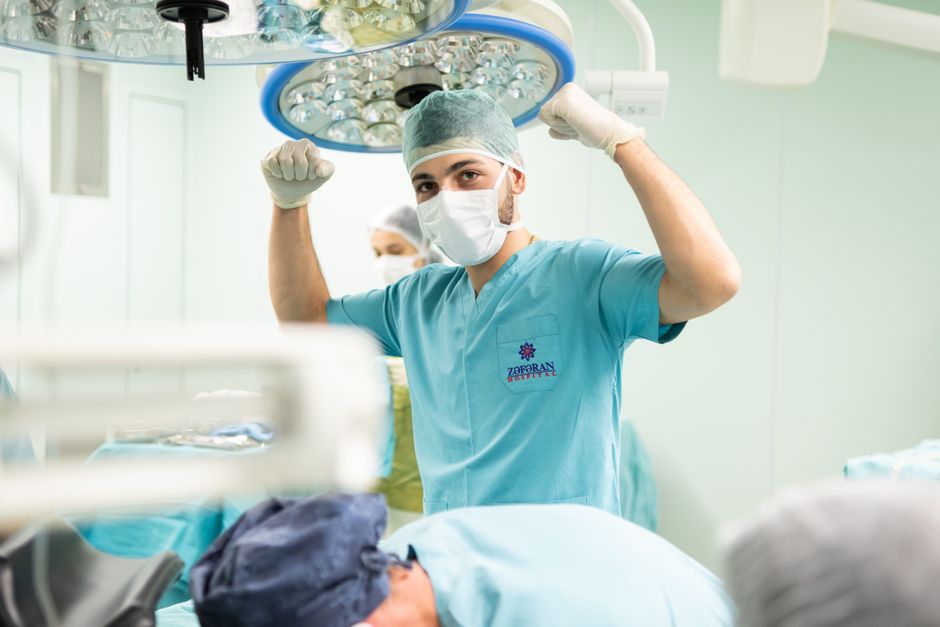
Our veterinary expertise covers preventive care, emergency treatment, surgical procedures, and behavior counseling for dogs and cats of all ages.
Our Veterinary Expertise
Happy Paws offers a structured veterinary approach for dogs and cats at every life stage. Preventive care includes wellness exams, vaccination schedules, and dental assessments. Emergency treatment focuses on triage and stabilization protocols. Surgical procedures follow established safety measures and monitoring. Behavior counseling provides frameworks for understanding common issues. Each service is delivered as part of a comprehensive informational process, with clear explanations and no outcome guarantees. Our team tailors recommendations to the individual pet's needs and context.
What Pet Owners Share
Sarah Johnson
They explained every step of my dog's dental procedure. I felt informed and prepared.
Mark Rivera
The behavior counseling session gave us practical strategies for our rescue cat.
Emily Chen
Emergency care was handled calmly and professionally. We appreciated the clear updates.
A Methodical Approach to Pet Health
Happy Paws emphasizes transparency and collaboration throughout every veterinary interaction. We provide thorough diagnostic explanations and discuss treatment options without claiming specific results. Preventive guidelines are based on current veterinary recommendations. Emergency protocols are designed to stabilize and assess. Surgical planning involves detailed pre- and post-operative instructions. Behavior counseling uses evidence-based techniques to modify responses. Our role is to offer structured information so pet owners can make their own informed decisions.
Our Veterinary Process
Initial Consultation
Discuss the pet's history, concerns, and lifestyle to establish baseline information.
Diagnostic Assessment
Perform examinations, lab work, or imaging to identify underlying factors.
Treatment Planning
Outline options, procedures, and timelines with detailed explanations for owners.
Follow-Up & Monitoring
Schedule check-ins to track progress and adjust recommendations as needed.
Subscribe for practical pet care advice
Receive tips on nutrition, training, and health from a veterinary professional. Each newsletter helps you make informed decisions for your cat or dog.
We use cookies
We use cookies to ensure the proper functioning of the website, analyze traffic, and improve your experience. You can accept all cookies or reject them — the site will continue to operate. For more details, read our Cookie Policy.