5 Signs Your Cat May Have a Dental Problem
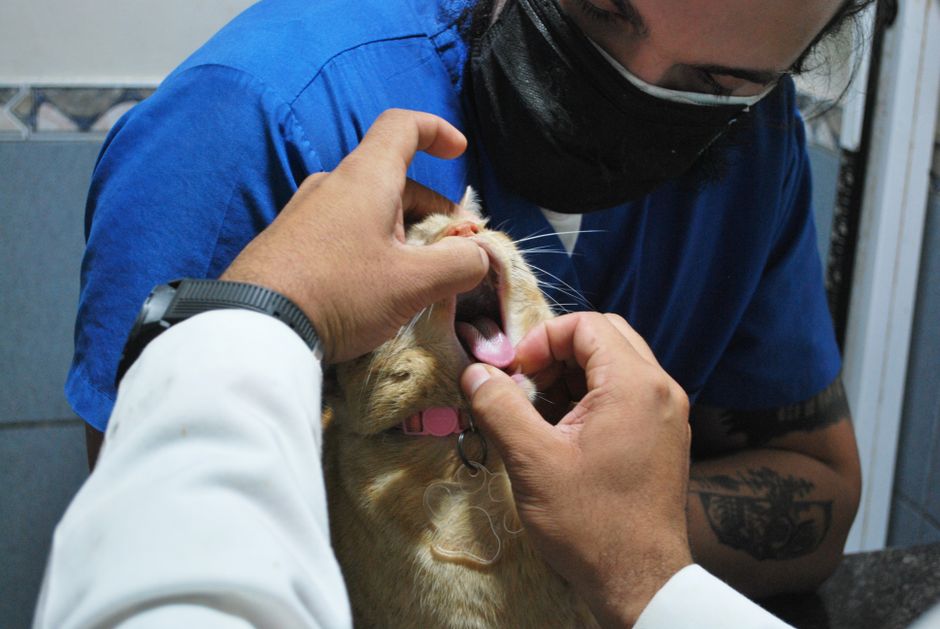
Dental health is an essential part of overall well-being in cats, yet it is often overlooked by many pet owners. Dental disease, including periodontal issues and tooth resorption, is one of the most common health problems seen in felines. Because cats are naturally adept at hiding discomfort, the early stages of dental problems can go unnoticed until more advanced symptoms appear. Recognizing the subtle indicators of oral discomfort can make a meaningful difference in the quality of life for a cat. This article describes five common signs that may suggest a cat is experiencing a dental issue and explains how these signs relate to underlying oral conditions. Understanding these signs can help owners make informed decisions about seeking professional veterinary evaluation.
It is important to note that cats do not always show obvious pain. Changes in behavior, eating habits, or grooming patterns may be the only clues. While some signs such as bad breath are widely known, others like changes in chewing style or vocalization near the food bowl can also be important. The goal of this article is to provide an informative overview of these signs, their possible causes, and the general approaches veterinarians use to assess and manage feline dental disease. Neither diagnosis nor treatment can be performed at home; professional input is always required.
By paying attention to behavioral and physical cues, cat owners can play a proactive role in monitoring oral health. However, it is crucial to avoid jumping to conclusions based on a single observation. A thorough examination by a veterinarian, often including dental X-rays, is necessary to determine the exact nature of any dental problem. The following sections detail five specific signs that may indicate a cat is dealing with a dental issue.
1. Persistent Bad Breath
While many people associate cat breath with the odor of food, a consistent and unusually strong foul smell can be an early indicator of dental disease. Halitosis in cats is often caused by the buildup of bacteria in the mouth, particularly along the gumline or in pockets between teeth and gums. As plaque and tartar accumulate, the bacteria release sulfur compounds that produce an unpleasant odor. This condition is frequently linked to gingivitis, periodontitis, or oral infections. In some cases, a very sweet or fruity smell may also signal underlying metabolic issues, but a persistently bad odor is most commonly dental in origin.
It is worth noting that the severity of the odor does not always correlate directly with the extent of dental disease. Some cats with advanced periodontal pockets may have relatively mild breath odor, while others with early gingivitis can have quite strong halitosis. Therefore, bad breath alone should not be used as the sole measure of dental health. Instead, it serves as a prompt for a closer inspection of the mouth and a discussion with a veterinarian. Regular dental checkups remain the most reliable way to assess oral hygiene.
2. Drooling and Excessive Salivation
A cat that begins to drool more than usual, especially when eating or at rest, may be experiencing oral discomfort. Salivation increases as a reflex response to pain, irritation, or inflammation inside the mouth. Conditions such as stomatitis, tooth root abscesses, or ulcerations on the tongue or gums can trigger excessive drooling. The saliva may sometimes be tinged with blood, which further points to an active inflammatory or infectious process. Owners may notice wet spots on bedding or furniture where the cat has been lying.
Drooling can also occur in cats that are nauseous or have ingested something toxic, so it is not exclusively linked to dental issues. However, when combined with other signs such as pawing at the mouth or reluctance to eat, the likelihood of a dental problem increases. Observing the consistency and timing of the drooling can provide useful information. For example, drooling that starts only when the cat is eating or drinking may indicate a tooth that is painful upon contact. A thorough oral examination under sedation is often needed to identify the precise cause.
3. Pawing at the Mouth or Face
Repeated pawing at the mouth, rubbing the face against furniture, or scratching the cheeks can be a physical response to oral pain or foreign material lodged between teeth. Cats may use their paws to try to dislodge food particles or to relieve the sensation of pressure from an inflamed gum or a broken tooth. This behavior is particularly common when the discomfort is acute, such as during a tooth root abscess or a fracture that exposes the nerve. Owners may also notice the cat making chewing motions without food present, which can accompany pawing.
It is important to differentiate between normal grooming movements and persistent, repetitive pawing. Grooming typically involves a smooth, rhythmic motion, while pawing related to dental pain is often more abrupt and directed at one side of the mouth. The cat may also tilt its head or show a preference for chewing on one side. If a cat is observed pawing at its mouth and also exhibiting other signs like drooling or reduced appetite, a veterinary appointment is advisable to rule out dental causes.
4. Changes in Eating Behavior
Dental pain frequently alters how a cat approaches food. Some cats may approach the bowl eagerly but then hesitate or cry out when picking up kibble. Others may drop food from their mouth while chewing, or suddenly switch from dry food to wet food or water alone. A cat with dental disease might also eat more slowly than usual, tilting its head to one side to avoid the painful area. In some cases, the cat may completely avoid food, leading to weight loss over time. Decreased interest in treats or crunchy snacks can also be a sign.
Not all changes in eating behavior are dental in nature; systemic illnesses, gastrointestinal issues, or stress can also affect appetite. However, when a cat is otherwise healthy and begins to show reluctance to eat, especially hard textures, dental evaluation should be considered. A veterinarian can perform a careful examination of the mouth and teeth, often under general anesthesia, to assess the condition of the enamel, gums, and underlying bone. Early intervention can often prevent more extensive procedures.
5. Visible Signs of Dental Disease
Some dental problems produce visible changes that can be seen by a careful owner. Yellow or brown tartar buildup along the gumline, reddened or swollen gums (gingivitis), receding gums, broken or chipped teeth, and growths in the mouth are all indicators that warrant professional attention. Cats may also have what is known as tooth resorption, a condition where the tooth structure erodes from within, often visible as a pinkish or reddish lesion at the gumline. These lesions can be extremely painful but may go unnoticed unless the cat is examined under anesthesia.
It is important to remember that many dental problems are not visible to the naked eye, especially those located below the gumline or between teeth. Therefore, the absence of visible tartar or redness does not guarantee that the mouth is healthy. A comprehensive veterinary dental exam typically includes probing of the gum pockets and dental X-rays to evaluate the roots and jawbone. Owners who observe any visible abnormalities should note them and share their observations with the veterinarian during the consultation. Regular professional cleanings remain the most effective preventive measure.
When to Consult a Veterinarian
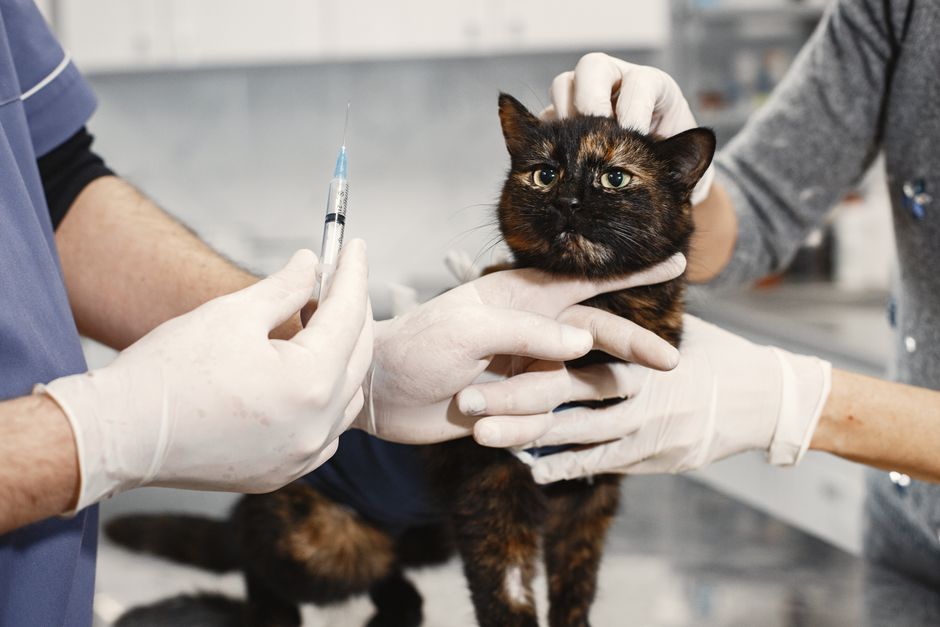
If a cat exhibits one or more of the signs described above, a veterinary examination is recommended. While occasional mild bad breath may not require immediate action, the combination of several signs or the persistence of any single sign for more than a few days often indicates that a thorough assessment is needed. Veterinarians can perform an oral examination, recommend diagnostic imaging, and develop a treatment plan tailored to the cat’s specific condition. Treatment options may include professional dental cleaning, tooth extraction, or antibiotic therapy for infections.
It is also advisable to schedule regular wellness visits that include an oral health evaluation, even if no obvious signs are present. Many dental problems progress slowly and can be managed more effectively when caught early. Cat owners should avoid attempting to clean their cat’s teeth at home without guidance, as improper technique can cause injury or stress. Instead, discussions with a veterinarian about at-home dental care routines, such as brushing with pet-safe toothpaste or using dental diets and treats, can be helpful as part of an overall oral hygiene plan. The goal is to support long-term oral health through a combination of professional oversight and consistent home care.