Brushing Your Long Haired Cat Without Stress
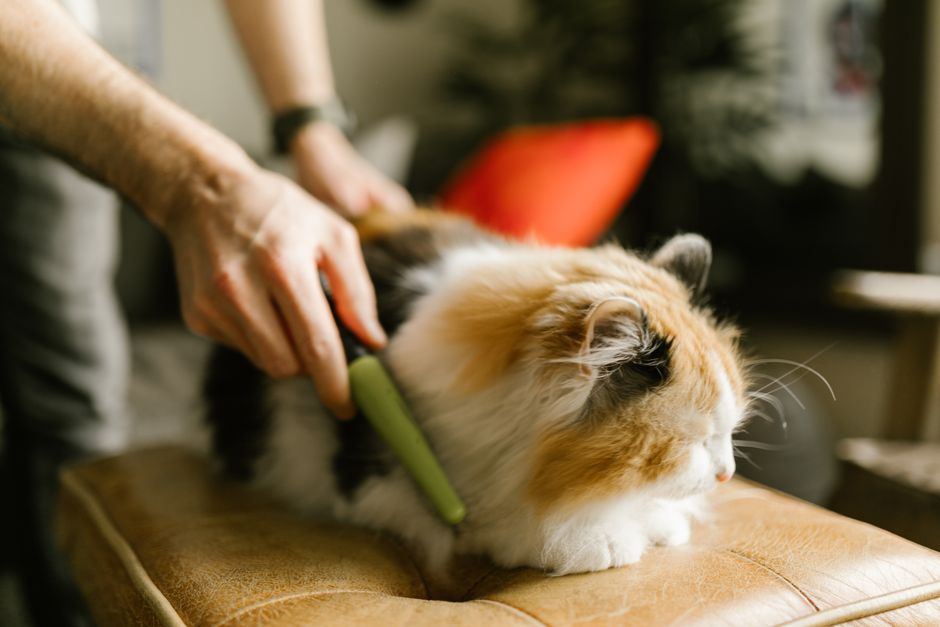
Grooming a long-haired cat can sometimes be a challenging task for both the cat and the person doing the grooming. Many cats react with irritation or anxiety when they see a brush, which can turn a simple maintenance activity into a stressful encounter. However, with the right tools and a patient approach, brushing can become a calm and even enjoyable experience. The key lies in understanding the cat’s perspective, choosing appropriate equipment, and establishing a consistent routine that respects the animal’s comfort.
Long-haired cats have a dense undercoat and a longer topcoat that can easily tangle and form mats if not addressed regularly. Without proper care, mats can pull on the skin, cause discomfort, and even lead to skin infections. Regular brushing helps distribute natural oils, removes loose fur, and prevents the formation of tangles. It also reduces the amount of hair a cat ingests during self-grooming, which can lower the risk of hairballs. By focusing on a process that reduces stress, both the cat and the caregiver can benefit from a smoother grooming session.
This article outlines a step-by-step approach to brushing a long-haired cat without inducing fear or resistance. The methods described are based on common practices among pet owners and feline behavior specialists. They emphasize gradual introduction, positive associations, and the use of appropriate grooming tools. The goal is not to eliminate all shedding or matting, but to manage them in a way that maintains the cat’s well-being and the bond with the caregiver.
Choosing the Right Brush for the Cat’s Coat
The type of brush used plays a significant role in how comfortable the grooming process feels for the cat. Long-haired coats require tools that can reach the undercoat without pulling or causing pain. A slicker brush, with its fine, bent wires, is often recommended for removing loose fur and detangling minor knots. A wide-toothed metal comb can then be used to work through thicker areas and check for hidden mats. For cats that are especially sensitive, a soft bristle brush may be used initially to help them acclimate to the sensation of being brushed.
Each cat may respond differently to various brush textures. Some may prefer the gentler feel of a rubber grooming mitt, which also collects loose hair effectively. Others might accept a pin brush more readily. Observing the cat’s body language during initial introductions can provide clues about which tool feels least intrusive. The goal is to find a brush that efficiently removes loose hair and prevents mats while being gentle on the skin. It is also important to keep the brush clean and free of hair buildup, as a dirty brush can snag and cause discomfort.
Creating a Calm Environment Before Grooming
The setting in which brushing takes place can influence the cat’s level of relaxation. A quiet room with minimal distractions, such as loud noises or other pets, provides a more inviting atmosphere. Placing a soft blanket or towel on a familiar surface, such as a favorite chair or a cat bed, can make the cat feel secure. Some cats may feel more at ease if they are positioned on a lap or a stable table, provided they are used to being handled in that location.
Timing also matters. Many cats are more receptive to grooming after a meal or during a calm period of the day, such as when they are naturally drowsy. Avoiding times when the cat is energetic, hungry, or agitated helps reduce resistance. The caregiver’s own demeanor should be calm and patient; sudden movements or tense handling can easily alarm a cat. Taking a few slow, deep breaths before starting can help create a peaceful energy that the cat may pick up on.
Introducing the Brush Gradually and Positively
Rather than immediately brushing the cat, a gradual introduction can build trust. Let the cat see and sniff the brush while offering a small treat. This links the brush with a positive experience. Next, gently touch the back of the brush to the cat’s shoulder for just a second, then reward with praise or a treat. Repeating this over several sessions, slowly increasing the duration and area brushed, allows the cat to become comfortable at its own pace. Some cats may need only a few short introductions, while others might require days or weeks of gentle acclimation.
During the brushing itself, short sessions—perhaps two to five minutes—are more effective than long ones. The first few sessions should focus on areas the cat tolerates best, such as the back or sides. Sensitive zones like the belly, tail, and legs can be approached later, once the cat is more relaxed. If the cat shows signs of stress, such as tail flicking, flattened ears, or attempts to move away, it is best to stop and try again later. Forcing the cat to stay or punishing resistance can create lasting negative associations.
Using Rewards and Calming Techniques
Positive reinforcement plays a central role in making grooming a pleasant routine. Small, soft treats can be offered before, during, and after brushing to reinforce calm behavior. Some owners find that giving a treat after each successful stroke encourages the cat to remain still. Verbal praise in a soothing tone also helps. If the cat becomes restless, pausing the brushing and giving a treat while speaking gently can redirect attention and reduce tension.
For cats that are particularly nervous, calming aids may be considered. Pheromone sprays or wipes designed for feline comfort can be applied to the brushing area or the brush itself. A quiet, low-volume background sound, such as classical music or white noise, may also help some cats relax. However, not every cat responds to these aids, and their effectiveness varies. The most reliable approach is to maintain a consistent, gentle routine that the cat learns to anticipate as a non-threatening activity.
Addressing Mats and Tangles Without Stress
Mats and tangles are common in long-haired cats, especially in areas of friction such as under the collar, behind the ears, and along the rear legs. Attempting to pull out a mat with a brush can be painful and frightening. Instead, mats should be approached carefully. If a mat is small and loose, a detangling spray or a small amount of coconut oil can be applied to soften it. Using the fingers or a wide-toothed comb, gently work from the edge of the mat toward the center, separating hair strand by strand.
For larger or tight mats that cannot be gently untangled, it is safer to use a mat splitter or electric clippers with a guard to remove the mat entirely. This task is best performed by a professional groomer or a veterinarian if the cat is particularly sensitive. Attempting to cut mats with scissors near the skin carries a high risk of injury. Preventing mats through regular brushing is always preferable, but when they do occur, a calm and patient method reduces the chance of creating a negative grooming experience.
Establishing a Sustainable Weekly Routine
Consistency helps cats adapt to grooming as a normal part of their week. Most long-haired cats benefit from brushing two to three times per week, with daily attention during heavy shedding seasons. Setting a specific day and time for grooming can help both the cat and the caregiver prepare. A short session of five to ten minutes is generally sufficient to maintain coat health and prevent matting. The routine can be adjusted based on the cat’s tolerance and coat condition.
It is helpful to keep the brushing tools in an accessible location so the routine can be followed easily. Combining grooming with another calm activity, such as quiet petting or a gentle cuddle session, may make the process feel more natural. Over time, many cats begin to associate brushing with pleasant sensations and a predictable rhythm. While results will vary depending on the individual cat, a patient and informed approach can transform grooming from a struggle into a shared moment of care.