How to Transition Your Dog to a Raw Food Diet Safely
Transitioning a dog to a raw food diet is a decision that many pet owners consider for a variety of reasons, including a desire to offer whole, minimally processed ingredients. The approach typically involves feeding raw muscle meat, organ meats, bones, and sometimes vegetables or fruits. Because a dog’s digestive system needs time to adapt to new food sources, a gradual transition is generally recommended. This process helps reduce the likelihood of digestive upset and allows the owner to observe how the dog responds to different protein sources and nutrient profiles.
Before beginning any dietary change, it is important to understand that a raw food diet requires careful planning to ensure nutritional completeness. Dogs have specific requirements for amino acids, fatty acids, vitamins, and minerals, and these must be met through a balanced combination of ingredients. The aim of this guide is to provide a practical framework for safely moving a dog onto a raw diet, with attention to portion sizes, protein variety, and essential nutrients. Every dog is an individual, and factors such as age, activity level, and health status all influence how the transition should be approached.
The following sections outline a step-by-step methodology that emphasizes gradual adjustment, observation, and informed decision-making. It is always advisable to consult with a veterinarian or a canine nutrition specialist before making significant changes to a dog’s diet, especially for dogs with pre-existing health conditions or those on medication.
Understanding the Raw Food Approach
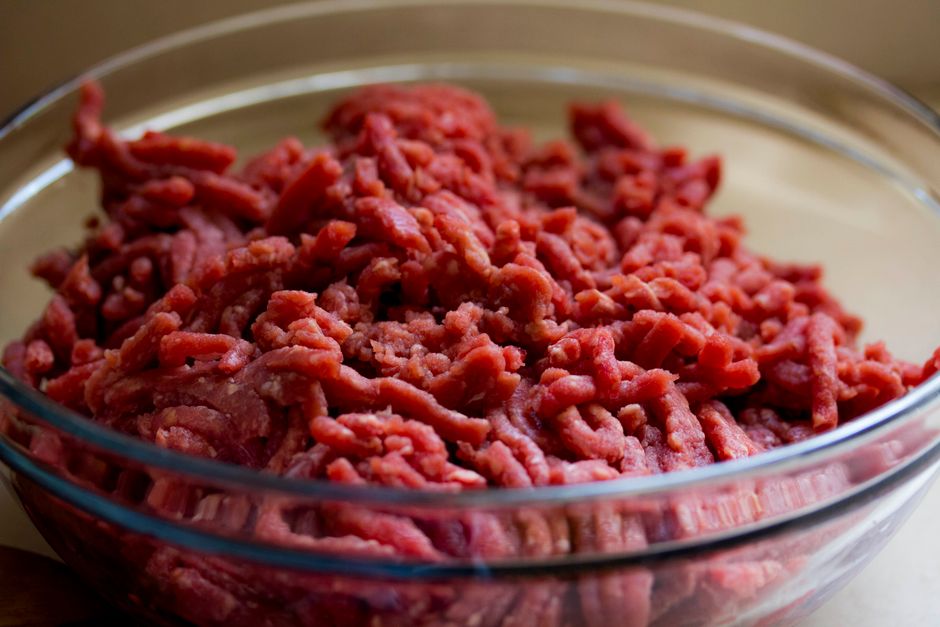
A raw food diet for dogs is generally modeled on what canines might have consumed in the wild, though modern formulations often include a variety of ingredients to address nutritional gaps. Common components include muscle meat from sources such as chicken, beef, lamb, or turkey; organ meats like liver and kidney; raw meaty bones; and occasionally small amounts of vegetables, fruits, or supplements. The rationale behind this diet is that whole, unprocessed foods provide nutrients in forms that may be more readily utilized by the body.
It is important to note that a raw diet is not a single, fixed recipe. Different approaches exist, ranging from commercially prepared raw frozen products to homemade blends. Each option has its own considerations regarding convenience, cost, and nutritional balance. For owners who choose to prepare meals at home, understanding the concept of a balanced ratio—often around 80% muscle meat, 10% bone, and 10% organ meat—can serve as a starting point. However, these ratios may need adjustment depending on the individual dog.
The effectiveness of a raw food diet depends largely on the diversity of protein sources and the inclusion of essential nutrients. For example, different meats provide different fatty acid profiles, and organ meats are rich in vitamins A, D, E, and B-complex, as well as minerals like zinc and iron. Without careful planning, it is possible to create imbalances that could affect a dog’s health over time. Therefore, the transition period is an opportunity to establish a routine that accounts for these factors.
Preparing for the Transition
Before introducing raw food, it is helpful to prepare both the dog and the household environment. This begins with selecting a source of raw ingredients that meets safety standards. Whether using commercially prepared raw food or fresh meat from a reputable supplier, proper handling and storage are essential to minimize the risk of bacterial contamination. Dogs have robust digestive systems that can handle many pathogens, but cross-contamination in the kitchen remains a concern for human family members.
A gradual transition typically spans one to two weeks, although some dogs may need more time. A common method is to start by replacing a small portion of the dog’s current food with the raw food, then gradually increase the proportion over several days. For example, on the first day, 25% raw and 75% current food might be offered. If the dog tolerates this well, the ratio can shift to 50-50 after a couple of days, then 75-25, and finally 100% raw. This slow process allows the digestive enzymes and gut microbiota to adapt without sudden stress.
Monitoring the dog’s stool quality, energy levels, and appetite during this period provides valuable feedback. Loose stools or mild digestive upset can occur, and if they persist, it may be a sign to slow down the transition or adjust the protein source. Some dogs may also show reluctance when first encountering novel textures or smells. Offering the raw food at room temperature and mixing it with a small amount of familiar food can encourage acceptance. Patience and observation are key components of a safe transition.
Essential Nutrients and Protein Sources
A well-formulated raw diet must provide all the essential nutrients that dogs require. Proteins are the foundation, supplying amino acids that support muscle maintenance, immune function, and enzyme production. Variety in protein sources helps ensure a broader amino acid profile and reduces the risk of food sensitivities developing over time. Common options include chicken, beef, turkey, lamb, duck, and rabbit. Fish, such as salmon or sardines, can also be incorporated occasionally to provide omega-3 fatty acids.
Organ meats are concentrated sources of vitamins and minerals. Liver, for instance, is rich in vitamin A and copper, while kidney provides selenium and B vitamins. Heart is a good source of taurine, an amino acid that is particularly important for cardiac health. Raw meaty bones—such as chicken wings or beef ribs—offer calcium and phosphorus in a natural ratio, along with mechanical benefits for dental health. However, bones must be appropriately sized to prevent choking or dental fractures, and supervision is recommended.
Supplements may be necessary to fill any gaps in the diet, especially for dogs that cannot consume a wide variety of ingredients. Common additions include fish oil for omega-3s, vitamin E for antioxidant support, and a source of iodine such as kelp. Some owners also add ground flaxseed or probiotics. The need for supplements depends on the specific meat mix and the dog’s individual health profile. Rather than assuming a one-size-fits-all formula, it is more reliable to work with a nutrition professional to evaluate the diet’s completeness over time.
Portion Control and Feeding Schedule
Determining the right portion size for a raw food diet involves estimating the dog’s daily caloric needs, which vary based on weight, age, activity level, and metabolism. A general guideline is to feed approximately 2% to 3% of the dog’s ideal body weight in raw food per day. For example, a 50-pound dog might receive about 1 to 1.5 pounds of food daily. This is a starting point, and adjustments should be made based on the dog’s body condition score and energy levels.
Portions should be divided into two or three meals per day, depending on the dog’s size and preferences. Some owners prefer to feed once daily, but multiple meals can aid digestion and maintain steady energy levels. Puppies and highly active dogs may require a higher percentage of body weight, while less active or older dogs may need less. It is also important to account for treats and any other food items given throughout the day, as these contribute to the overall caloric intake.
Weighing the food at each meal, at least initially, helps maintain consistency. Over time, owners often become comfortable estimating portions visually, but periodic checks are still worthwhile. If a dog begins to gain or lose weight unexpectedly, the portion size can be modified accordingly. Additionally, raw food should not be left out for extended periods; uneaten portions should be refrigerated promptly to prevent spoilage. A consistent feeding schedule also helps regulate the dog’s digestive system and makes it easier to spot any changes in appetite or behavior.
Monitoring Your Dog’s Health
Observing the dog’s physical and behavioral responses after transitioning to raw food provides important information about the diet’s suitability. Indicators such as stool consistency, coat condition, energy level, and overall demeanor can all reflect how well the dog is adapting. Healthy dogs on a balanced raw diet often produce small, firm stools with minimal odor, though individual variation exists. A dull coat, excessive shedding, or lethargy may signal the need to adjust the diet or seek professional advice.
It is also wise to schedule regular veterinary check-ups, including blood work, to assess nutritional status over time. Blood tests can reveal imbalances in minerals, vitamins, or other markers that might not be apparent through external observation. For instance, calcium-to-phosphorus ratios are especially critical in raw diets, particularly for growing puppies or dogs with kidney concerns. Routine examinations allow for early detection of any issues before they become significant.
Owners should also be attentive to any signs of food aversion or digestive intolerance. Some dogs may develop loose stools when introduced to a new protein, which often resolves if the protein is changed or if the transition is slowed down. Vomiting, persistent diarrhea, or lack of appetite are reasons to pause the transition and consult a veterinarian. Keeping a simple journal of meals, portions, and observations during the first few months can provide a helpful reference for making informed adjustments.
Common Challenges and Adjustments
Even with careful planning, some dogs may experience difficulties during the transition. One common issue is refusal to eat the raw food, especially if the dog is accustomed to dry kibble. In such cases, gently warming the food or offering it by hand can sometimes encourage acceptance. Another challenge is digestive upset, such as gas or loose stools, which often occurs when the transition is too rapid or when a particular protein is not well tolerated. Reducing the portion size or extending the transition period can help resolve these symptoms.
Bone consumption also requires attention. While raw bones are generally safe, some dogs may try to swallow large pieces, posing a choking hazard or risk of intestinal obstruction. Offering appropriately sized bones and supervising chewing sessions reduces these risks. For dogs that tend to gulp their food, grinding or crushing bones before feeding can be a safer alternative. Additionally, owners of dogs with certain health conditions—such as pancreatitis, kidney disease, or allergies—need to make specialized adjustments, sometimes with the guidance of a veterinarian.
Finally, consistency in meal preparation and storage routines is important for both safety and convenience. Raw meat should be thawed in the refrigerator, not at room temperature, and used within a few days. Batch preparation of pre-portioned meals can simplify daily feeding. Over time, many owners find a system that works well for their household. The key is to remain flexible and responsive to the dog’s individual needs, recognizing that dietary management is an ongoing process rather than a one-time decision.