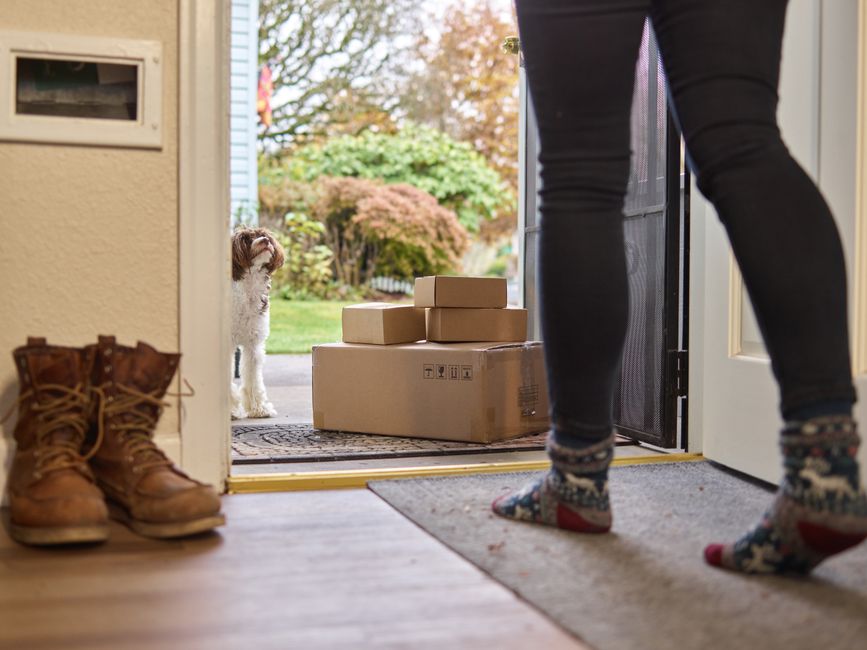
Many dogs react strongly to the arrival of the mail carrier. The daily appearance of a uniformed figure approaching the doorstep often triggers a burst of barking, sometimes accompanied by rushing toward the door. This response is not rooted in aggression toward the mail carrier personally but stems from a combination of territorial instincts and learned associations. Dogs are naturally inclined to alert their household to changes in their environment, and a person approaching the front door can appear as a potential intruder or an unpredictable stimulus.
The habit of barking at the mailman typically develops over time. Each day, the dog barks, the mail carrier leaves, and the dog perceives that its vocal effort successfully drove the intruder away. This repetition reinforces the barking behavior. At the same time, the dog may become increasingly aroused by the sound of footsteps, the jingle of keys, or the sight of a uniform. Understanding this cycle is the first step toward changing the dog’s response. The goal is not to suppress barking through punishment, but to reshape the dog’s emotional reaction and teach a different, calmer behavior when someone approaches the door.
This article explores practical methods rooted in desensitization and positive reinforcement. These approaches focus on changing the dog’s underlying feelings about the mail carrier and providing an alternative behavior that is incompatible with barking. With consistency and patience, many dogs can learn to remain calm even when the mail arrives.
Understanding Territorial Barking and the Mail Carrier Dynamic
Territorial barking is a natural behavior in dogs. When a person or animal approaches what the dog considers its territory, the dog may bark to warn the intruder and alert household members. For many dogs, the front door and the area immediately outside are high-value territories. The mail carrier’s routine — arriving at a predictable time, approaching the door, and leaving — creates a powerful conditioning loop. The dog learns that barking makes the person go away, which is self-rewarding.
It is helpful to recognize that the dog is not being spiteful or dominant. Instead, the behavior is driven by anxiety, arousal, or a sense of duty. The mail carrier is simply a repeated trigger. The intensity of the barking can vary based on the dog’s temperament, past experiences, and the consistency of the mail carrier’s visits. Some dogs also generalize the behavior to other delivery personnel, neighbors, or anyone approaching the house.
Before starting any training, it is important to rule out medical or behavioral issues that might contribute to excessive reactivity. A veterinarian or a certified animal behaviorist can help assess whether the barking is solely territorial or compounded by other factors such as separation anxiety or noise sensitivity. Once the underlying motivation is clear, a training plan can be tailored to the individual dog.
Desensitization and Counter-Conditioning to the Mail Carrier
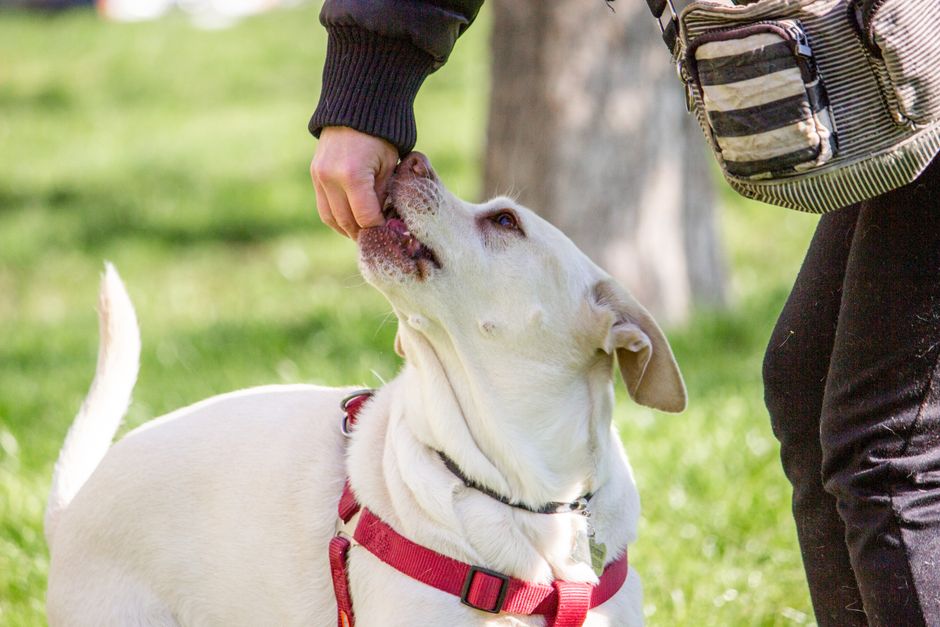
Desensitization involves gradually exposing the dog to the trigger at a low intensity where it does not react. Counter-conditioning pairs the trigger with something the dog loves, typically high-value treats, to create a positive association. The combination of these two processes is often the most effective approach for changing a dog’s emotional response to the mail carrier.
The first step is to identify the earliest signs that the dog notices the mail carrier. This might be a distant sound of footsteps, the rattle of the mailbox, or the appearance of a vehicle. At this point, the dog is still below its barking threshold. Pause the mail carrier’s approach by using a helper or a recorded sound, if necessary. Each time the dog hears or sees the trigger, immediately offer a small, tasty treat. The goal is for the dog to begin looking to the owner for a treat when it detects the mail carrier, rather than launching into barking.
Progress is gradual. Over multiple sessions, the intensity of the trigger can be increased — for example, moving the helper closer to the door or having the mail carrier actually walk up the path. If the dog barks, the trigger distance or intensity should be reduced in the next session. Consistency is essential: every exposure should be paired with a positive experience. Over time, the dog’s emotional state shifts from alert or anxious to expectant and relaxed.
Success in desensitization depends on moving slowly and never forcing the dog into a situation where it feels compelled to bark. Rushing the process can reinforce the very fear or arousal the training aims to reduce.
Teaching an Incompatible Alternative Behavior
While changing the dog’s feelings about the mail carrier is important, teaching a specific alternative behavior gives the dog a clear action to perform instead of barking. A common and effective alternative is to send the dog to a designated spot, such as a mat or bed, near the door or in a nearby room. This behavior is often called a “go to mat” or “place” cue.
Training this behavior should be done in a calm setting, separate from the mail carrier’s arrival. The dog learns to go to the mat and lie down, staying there until released. The behavior is shaped using treats and praise, with the duration gradually extended. Once the dog reliably goes to the mat on cue, the owner can practice with the doorbell or a knock sound while the dog is on the mat. The dog is rewarded for remaining on the mat rather than rushing the door.
When the actual mail carrier arrives, the owner can cue the dog to go to its mat before the barking starts. This requires timing and anticipation. If the dog is already barking, it may be too aroused to respond to cues, so training should focus on catching the moment before the trigger becomes overwhelming. Over time, the mat becomes a place of safety and reward, and the dog learns that staying there leads to good things while barking leads to nothing (no attention, no treats).
This approach works well because lying on a mat is physically incompatible with barking at the door. The dog cannot bark vigorously while in a relaxed down position. Consistent repetition of this routine rewires the dog’s automatic response.
Rewarding Calm Responses at the Door
Positive reinforcement is central to all training described here. However, the specific timing and delivery of rewards matter. The dog should be rewarded for calm responses, not just for the absence of barking. Calm behavior might include a soft wag of the tail, a relaxed body posture, or looking at the owner without barking. These small moments are opportunities to reinforce the desired state.
Treats, praise, or access to a favorite toy can serve as rewards. The reward should be given immediately after the calm behavior occurs, ideally before the dog has a chance to escalate. For example, if the mail carrier approaches and the dog remains quiet for just a second, a treat is delivered. Gradually, the duration of quiet required before reward increases. This is called shaping calmness.
It is also useful to reward the dog for voluntarily moving away from the door after a mail delivery. Some dogs will bark, then stop. If the dog turns away and settles, that moment should be marked with a reward. Over time, the dog learns that being calm around the door leads to more positive outcomes than barking does.
Management and Consistency in Daily Routines
Training takes time, and during that period, management strategies help prevent the barking behavior from being rehearsed. Management might include blocking the dog’s access to the front door during mail delivery times, using a baby gate, or closing curtains. If the dog cannot see or hear the mail carrier, the trigger is removed, and barking cannot occur and be reinforced.
Another management tool is providing an engaging activity, such as a stuffed Kong or a puzzle toy, at the time the mail typically arrives. This redirects the dog’s focus and creates a positive association with that time of day. The dog learns that when the mail comes, something wonderful happens in a different location.
Consistency across all household members is vital. If one person sends the dog to its mat while another scolds or ignores the barking, the training will be slower and less effective. Everyone who interacts with the dog should follow the same protocols for handling door arrivals. Additionally, the training must be maintained even after the dog appears to have stopped barking. Occasional practice sessions with a helper or recorded sounds help keep the new behavior solid.
When to Seek Professional Guidance
While many dogs respond well to the methods described above, some cases of territorial barking are challenging. Dogs with a history of aggressive displays, extreme anxiety, or a strong prey drive may require assistance from a certified professional. A qualified behavior consultant or veterinary behaviorist can design a customized plan and address underlying emotional issues that may not respond to standard training alone.
Professional help is especially recommended if the dog has bitten, snapped, or shown signs of intense fear. Working with a professional ensures safety for the dog, the household, and delivery personnel. Tools such as a basket muzzle or additional management measures may be introduced under guidance. A professional can also help rule out other factors, such as pain or cognitive changes in older dogs.
Organizations like the International Association of Animal Behavior Consultants (IAABC) or the American College of Veterinary Behaviorists can help locate qualified experts. For those seeking structured training programs, companies like Happy Paws offer online courses and resources that emphasize positive reinforcement and desensitization techniques. These resources can supplement the owner’s efforts and provide step-by-step guidance.
Ultimately, the goal is not to eliminate all barking but to create a calm, predictable response to door visitors. With patience and a systematic approach, the daily mail delivery can become a neutral or even pleasant event for both dog and owner.