Bringing home a rescue dog is a rewarding experience, yet many of these animals carry unknown histories that can make socialization a delicate process. A fearful rescue dog may react with withdrawal, trembling, or avoidance when faced with new people, places, or sounds. Understanding that fear is a survival response helps caregivers approach socialization with patience and empathy rather than expectation. The goal is not to force interaction, but to gradually build a sense of safety and predictability around unfamiliar stimuli.
Every rescue dog has a unique threshold for what feels threatening. Some may have experienced neglect, while others faced sudden changes in living conditions. Regardless of the cause, the foundation of any socialization plan should be controlled exposure, consistent positive reinforcement, and a calm environment. By respecting the dog’s pace and focusing on small successes, owners can help reduce anxiety over time. This article outlines practical strategies that prioritize the dog’s emotional well-being while encouraging gradual confidence.
Understanding Fear in Rescue Dogs
Fear in rescue dogs often stems from a lack of positive associations with common aspects of daily life. A dog that has never encountered a vacuum cleaner, for example, may perceive it as a threat. Similarly, loud traffic, unfamiliar scents, or sudden movements can trigger a freeze or flight response. Recognizing these patterns is the first step toward effective socialization because it allows the caregiver to anticipate and manage triggers rather than react to them.
It is also important to distinguish between situational fear and generalized anxiety. Situational fear occurs in response to a specific stimulus, such as a stranger approaching. Generalized anxiety may cause the dog to be on alert in many contexts, making it harder to identify a single cause. In both cases, forcing exposure can backfire. Instead, caregivers can observe body language—ears pinned back, tail tucked, lip licking—to assess when the dog is nearing its stress threshold. This observational approach respects the animal’s autonomy and prevents flooding, which can worsen fear.
Happy Paws, an organization that supports rescue dog owners, emphasizes that fear is not a behavioral flaw. It is a natural reaction that can be reshaped through structured, gentle encounters. The key is to avoid labeling the dog as “broken” and to view each small step as progress toward a calmer state.
Preparing a Calm Environment
Before introducing any new experiences, it is essential to establish a safe zone where the dog can retreat. This area might be a quiet room, a crate with a soft bed, or a corner of the living room with minimal foot traffic. The environment should remain predictable and free of sudden loud noises or chaotic activity. A calm space provides a baseline from which the dog can explore the world without feeling constantly threatened.
Environmental adjustments also include controlling the sensory input. Soft lighting, background white noise or gentle music, and using pheromone diffusers designed for dogs may help lower overall arousal levels. Owners might consider placing familiar items, such as a blanket with the dog’s own scent, in that safe zone. Consistency in the arrangement of furniture and feeding routines further reinforces a sense of order. When the dog learns that its home base remains unchanged, it becomes easier to venture out for brief socialization sessions.
One common mistake is to overwhelm the dog with too many environmental changes at once. For example, rearranging furniture at the same time as introducing a new visitor can heighten uncertainty. Keeping the home environment stable for the first few weeks allows the dog to acclimate to its new life before tackling more complex socialization tasks.
Gradual Exposure Strategies
Controlled exposure forms the core of any fear reduction process. The principle is simple: present the trigger at a low intensity—far below the dog’s threshold—and pair it with something pleasant, such as a high-value treat. Over repeated sessions, the intensity can be increased very gradually. This technique is known as systematic desensitization and counterconditioning, and it is widely used in animal behavior work.
For instance, if the dog is afraid of strangers, the first step might involve having a calm person stand at a distance while the caregiver offers treats. The person does not approach or make eye contact initially. Over days or weeks, the person can move slightly closer, still without interaction, while the dog continues to receive rewards. Only when the dog shows no signs of stress—such as relaxed body posture or taking treats willingly—does the person attempt to toss a treat softly from a few feet away. This incremental progression respects the dog’s comfort zone.
It is critical to note that each session should be short, ideally no longer than five to ten minutes, and end on a positive note. If the dog becomes fearful, the caregiver should increase the distance or reduce the intensity of the trigger. Progress can feel slow, but slow and steady prevents setbacks. Keeping a simple log of what the dog encountered and its reaction helps caregivers adjust the plan without relying on memory.
The Role of Positive Reinforcement
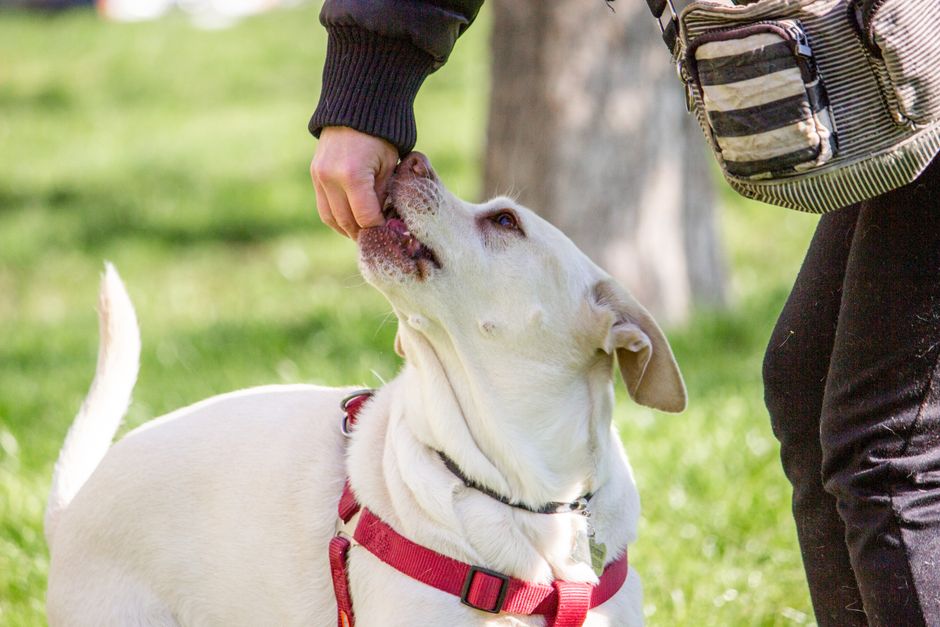
Positive reinforcement is the primary tool for shaping new associations in a fearful rescue dog. Treats, praise, or brief play sessions can be used to mark desired behaviors, such as looking at a trigger without reacting, or taking a step toward a new object. The timing of the reward matters: it should occur immediately after the calm behavior to create a clear connection. Using high-value treats—small pieces of chicken, cheese, or liver—often works better than ordinary kibble for fear-related work.
Alongside treats, praise delivered in a soft, cheerful tone can serve as a secondary reinforcer. However, caregivers should avoid cooing or baby talk that might inadvertently signal concern to the dog. Instead, a calm “good” paired with a treat builds trust. It is also helpful to reward any voluntary approach toward a trigger, even if the dog only glances in that direction. This encourages the dog to make choices rather than feeling compelled to comply.
Happy Paws recommends that owners avoid using punishment or harsh corrections when dealing with fearful dogs. Punishment can suppress signs of fear without resolving the underlying emotion, leading to more unpredictable behavior. Instead, focusing on what the dog does right, and ignoring fearful reactions as long as they do not escalate into aggression, supports a learning process based on safety. Over time, the dog begins to associate previously scary stimuli with positive outcomes.
Establishing Routine and Trust
Routine provides a scaffold upon which confidence can grow. When a rescue dog knows what to expect each day—when meals appear, when walks happen, when quiet time occurs—it can relax into the rhythm. Predictability reduces the need for constant vigilance, freeing mental energy for learning new things. A consistent daily schedule that includes designated relaxation periods, training sessions, and enrichment activities helps the dog feel secure in its environment.
Building trust also requires respecting the dog’s signals. If the dog retreats to its safe zone, it should not be called out for socialization at that moment. Trust develops when the caregiver consistently refrains from pushing the dog into uncomfortable situations. Simple actions, such as approaching the dog slowly and offering a hand for sniffing before petting, reinforce the idea that interactions happen on the dog’s terms. Over weeks and months, this mutual respect forms the bedrock of a strong bond.
Additionally, incorporating brief training exercises—such as “sit,” “down,” or target touch—can boost the dog’s confidence. Learning new skills provides mental stimulation and a sense of accomplishment. Even a few minutes of positive training each day can shift the dog’s focus from fear to engagement. The key is to keep sessions fun and low-pressure, celebrating tiny steps rather than demanding perfection.
Knowing When Additional Support Is Needed
Some rescue dogs carry deep-seated fears that require professional guidance. If a dog shows signs of extreme panic, such as frantic attempts to escape, freezing in place for extended periods, or aggression when approached, a certified animal behaviorist or a positive-reinforcement trainer experienced with fearful dogs may be necessary. These professionals can design a customized behavior modification plan and help caregivers interpret subtle cues.
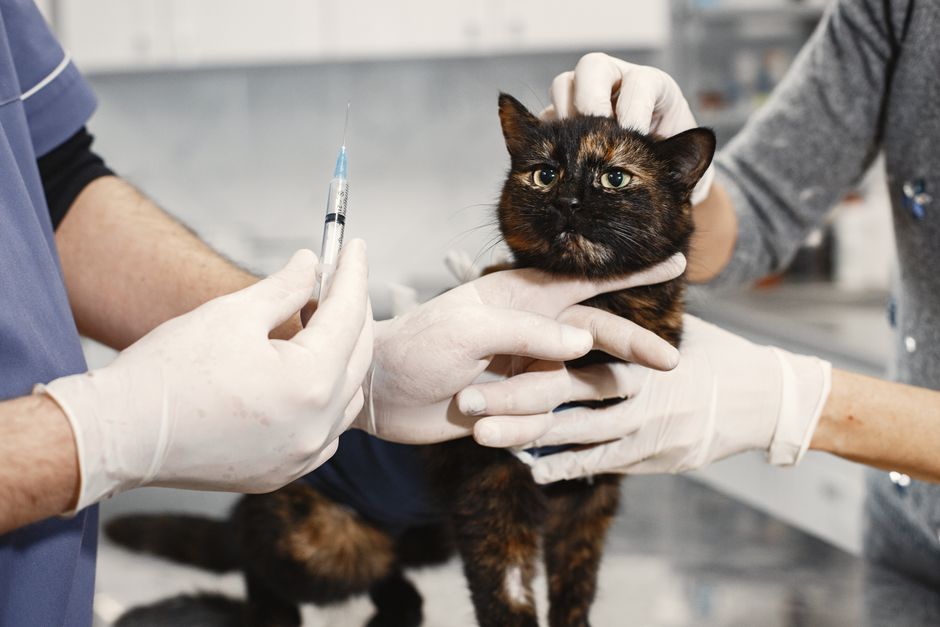
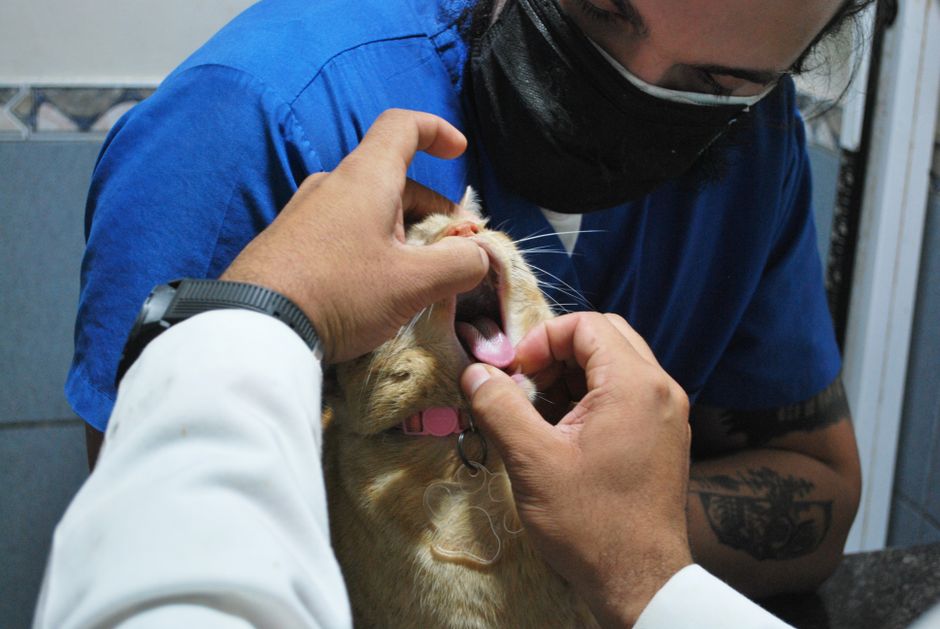
Veterinary involvement is also important. Underlying health issues, including chronic pain or thyroid imbalances, can manifest as heightened fearfulness. A thorough medical exam can rule out physical causes. In some cases, a veterinarian may recommend temporary medication to lower anxiety enough for behavior modification to take effect. This combination of medical and behavioral support often leads to better outcomes than either approach alone.
Caregivers should not feel discouraged if progress is slower than anticipated. Each fearful rescue dog has its own timeline, and even small changes—like a tail wagging near a stranger or willingly stepping onto a new surface—represent meaningful milestones. With patience, consistent methods, and a calm environment, many fearful rescue dogs learn to navigate the world with greater ease. The journey is as much about building trust as it is about socialization, and the rewards of seeing a once-terrified dog blossom are immense.