The Importance of Annual Vaccinations for Indoor Cats
Many cat owners assume that a strictly indoor lifestyle eliminates the need for regular vaccinations. While it is true that indoor cats face fewer direct exposures to certain pathogens, they remain vulnerable to viruses that can enter the home through a variety of routes. Core vaccines such as rabies and FVRCP (feline viral rhinotracheitis, calicivirus, and panleukopenia) play an essential role in protecting cats from serious, often life-threatening diseases. Annual booster doses help maintain that protection over time, even in the absence of apparent risk.
The decision to vaccinate an indoor cat should be based on an understanding of how viruses move through environments and how immunity works. Vaccination is not a one-time event but a process that requires periodic reinforcement. By following a schedule recommended by a veterinarian, owners can ensure that their cat’s immune system remains prepared to respond to potential threats. This article explores the reasons behind annual vaccinations for indoor cats, the mechanisms of core vaccines, and the factors that influence how protection is maintained.
Understanding Core Vaccines for Cats
Core vaccines are those considered essential for all cats, regardless of lifestyle, because the diseases they target are widespread, highly contagious, or pose a significant public health risk. For cats in the United States, the two core vaccines are rabies and FVRCP. Rabies is a fatal neurological disease that can be transmitted to humans and other mammals. Even indoor cats can be exposed if a rabid animal enters the home or if the cat escapes outdoors briefly. The rabies vaccine is required by law in many states, and annual or triennial boosters are common depending on the vaccine type and local regulations.
FVRCP is a combination vaccine that protects against three viral threats. Feline viral rhinotracheitis (FHV-1) and calicivirus (FCV) are major causes of upper respiratory infections, while feline panleukopenia (FPV) is a highly contagious and often fatal parvovirus. These viruses can survive on surfaces, clothing, and hands, making it possible for them to be carried into a home where an indoor cat lives. Vaccination does not prevent infection entirely in every case, but it significantly reduces the severity of disease and the likelihood of transmission. The FVRCP vaccine is typically given annually or every three years, depending on the product and the cat’s risk profile.
How Indoor Cats Can Be Exposed to Viruses
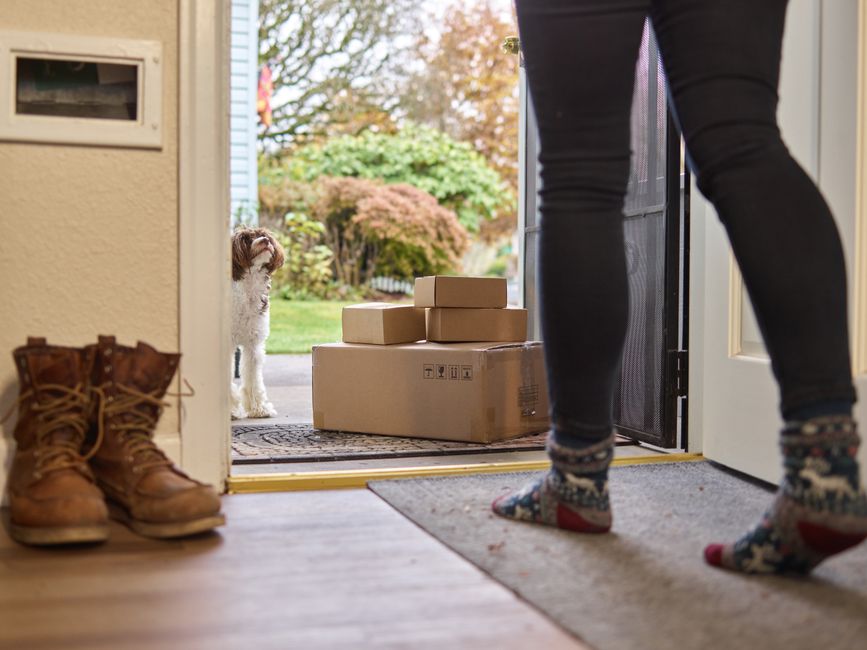
It is a common misconception that an indoor cat lives in a completely sterile environment. In reality, viruses can enter a home through multiple pathways. People who interact with other cats—whether at a veterinary clinic, a friend’s home, or a stray colony—can carry viral particles on their clothing, shoes, or hands. For example, calicivirus and panleukopenia can survive on contaminated objects for weeks or even months. A visitor who has recently been in contact with an infected cat may inadvertently bring these pathogens into the house.
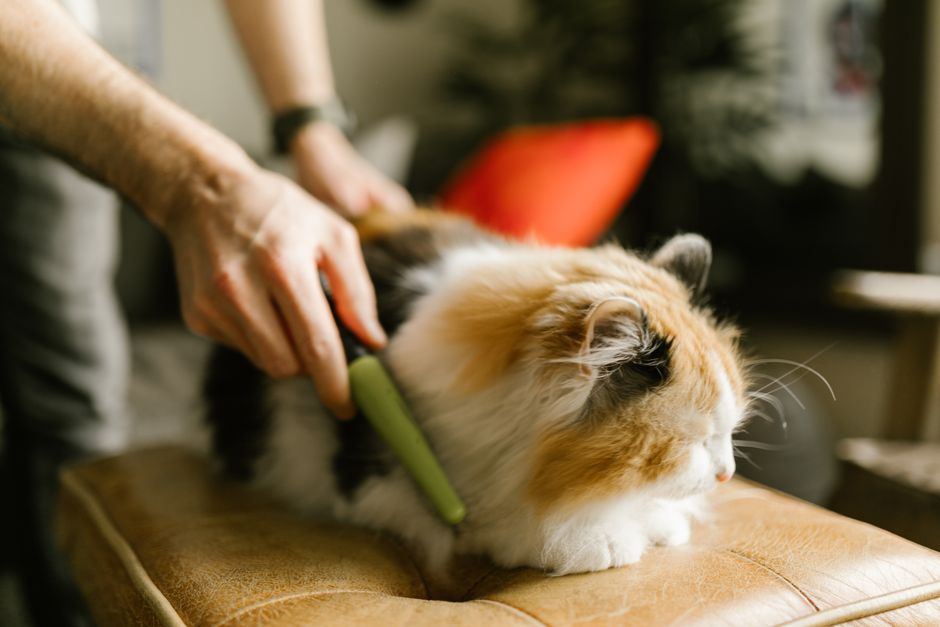
Another potential source of exposure is through household pets that go outdoors, such as dogs. A dog that roams outside can pick up viruses, then bring them back inside where the indoor cat may come into contact with the dog’s bedding, toys, or grooming tools. Additionally, some viruses, like rabies, can be transmitted by wildlife that occasionally enters homes through open doors, windows, or small gaps. Bats, raccoons, and skunks are known carriers of rabies, and even a brief encounter can pose a risk. These scenarios illustrate that an indoor lifestyle reduces risk but does not eliminate it entirely.
The Role of Annual Boosters in Sustaining Immunity
Vaccines work by stimulating the immune system to produce memory cells that recognize and respond to specific pathogens. Over time, this memory can wane, especially in the absence of natural exposure. Annual booster doses serve to refresh the immune system’s memory, ensuring that antibody levels remain high enough to provide rapid protection if the virus is encountered. The duration of immunity varies depending on the vaccine type, the individual cat’s immune response, and the disease in question. For some vaccines, such as the rabies vaccine, manufacturers have established a minimum duration of immunity of one year, after which a booster is needed to maintain compliance with legal requirements and medical standards.
Annual veterinary visits also provide an opportunity to assess the cat’s overall health, discuss lifestyle changes, and adjust the vaccination schedule if necessary. A cat that develops a chronic illness, receives immunosuppressive medications, or experiences stress may have altered immune function, making regular boosters even more important. The decision to vaccinate annually versus triennially should be made in consultation with a veterinarian who can evaluate the cat’s specific circumstances. In some cases, antibody titers can be measured to gauge immunity levels, though this approach is not always practical or recommended as a substitute for routine boosters.
Factors That Influence Vaccination Schedules for Indoor Cats
While core vaccines are recommended for all cats, the exact frequency and timing of boosters can depend on several factors. Local laws regarding rabies vaccination often dictate a minimum interval—commonly one or three years. For FVRCP, the American Association of Feline Practitioners (AAFP) guidelines suggest that for indoor cats with low risk of exposure, a three-year interval may be acceptable after the initial series. However, many veterinarians still prefer annual vaccination to maintain a consistent schedule and to simplify health management. The cat’s age, health status, and previous vaccine reactions also play a role in tailoring the plan.
Kittens require a series of vaccines to build initial immunity, followed by a booster one year later. After that, the schedule may be adjusted. Cats that live in multi-pet households, those that visit boarding facilities, or those that have occasional outdoor access may benefit from more frequent boosters. In contrast, a completely isolated single cat with no outside contact might be a candidate for less frequent vaccination, provided that the owner is diligent about preventing any potential exposure. It is important to note that even in low-risk situations, the consequences of a breakthrough infection can be severe, and the cost of vaccination is relatively low compared to treating diseases like panleukopenia or rabies.
What to Expect During the Vaccination Process
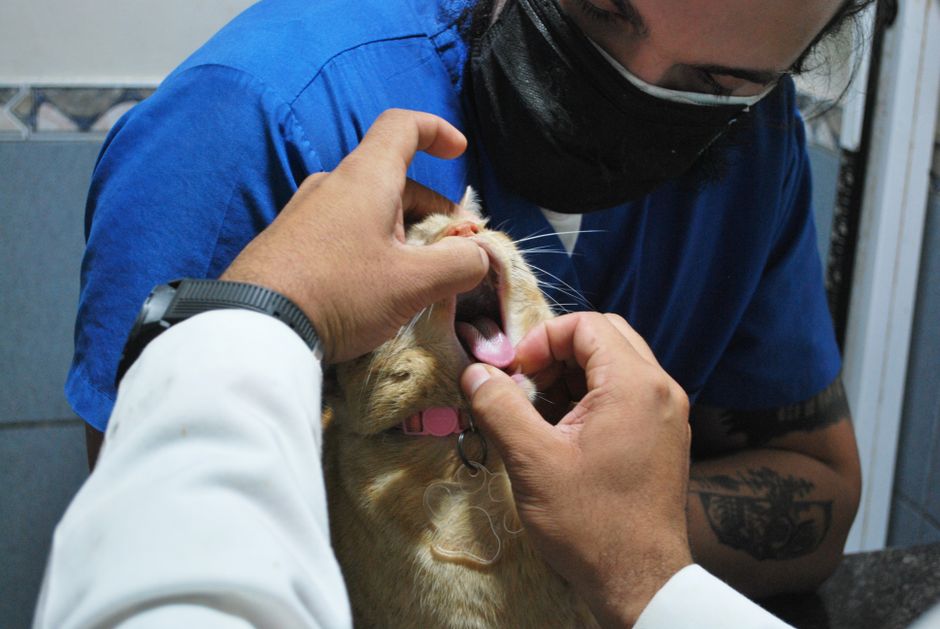
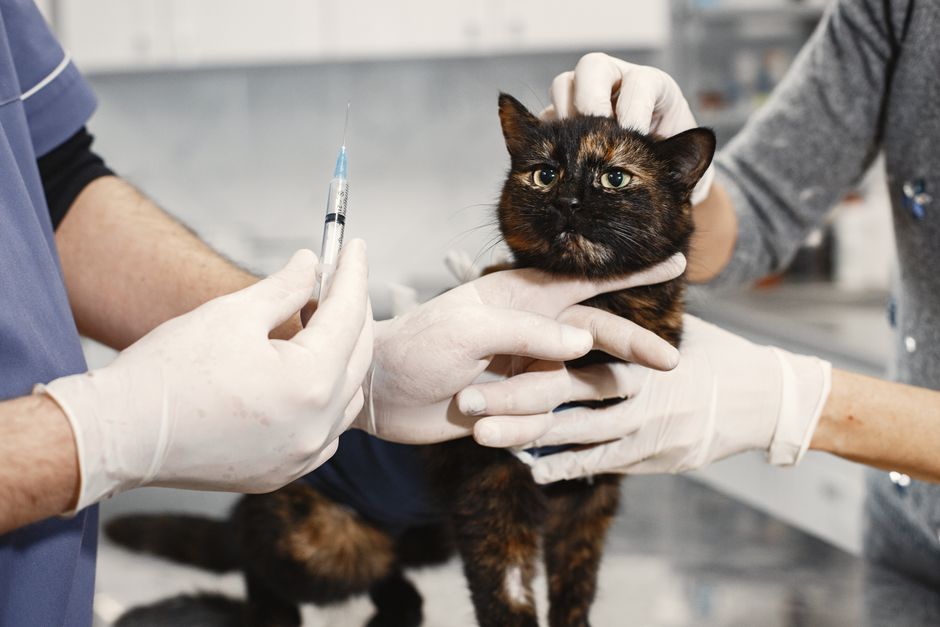
Annual vaccination visits typically begin with a physical examination. A veterinarian at a clinic such as Happy Paws will assess the cat’s overall condition, including temperature, heart rate, and weight, before administering any vaccine. This examination helps identify any underlying health issues that could affect the cat’s response to vaccination. The vaccines are usually injected under the skin (subcutaneously) over the shoulder or hind leg. Most cats tolerate the procedure well, though some may experience mild side effects such as lethargy, mild fever, or local swelling at the injection site. These effects typically resolve within 24 to 48 hours.
Serious adverse reactions are rare but possible, and owners are advised to monitor their cat after vaccination and report any concerning signs, such as persistent vomiting, facial swelling, or difficulty breathing. Veterinary professionals can provide guidance on what symptoms to watch for and how to respond. The overall safety profile of core vaccines is well-documented, and the benefits of protection against diseases like rabies and panleukopenia far outweigh the minimal risks. By maintaining an ongoing dialogue with a veterinarian, cat owners can make informed decisions that align with their cat’s individual needs and the latest medical recommendations.
In summary, annual vaccinations for indoor cats are not merely a precautionary measure; they are a key component of preventive health care. The possibility of virus entry into the home, combined with the natural waning of immunity over time, makes routine boosters a logical and evidence-based practice. While the specific schedule may vary based on lifestyle and regulatory requirements, the underlying principle remains consistent: vaccination is a process that requires reinforcement. Discussing the plan with a veterinarian ensures that each cat receives the appropriate level of protection for their unique situation.